Why is the Barrier to Entry to Become a Real Estate Agent So Low?
Agent Index • 2023-03-13
Becoming a real estate agent is an attractive career choice for many individuals due to its low barriers to entry, flexible work hours, and potential for high earnings.

Becoming a real estate agent is an attractive career choice for many individuals due to its low barriers to entry, flexible work hours, and potential for high earnings. This article explores the reasons behind the low barriers to entry in the real estate industry and discusses the implications of this phenomenon for both agents and clients.
Minimal Educational Requirements
One reason for the low barriers to entry in the real estate industry is the minimal educational requirements. Most states require only a high school diploma or equivalent, along with a pre-licensing course, to become a licensed real estate agent. This allows individuals to enter the profession without the need for a college degree, making it more accessible to a larger pool of potential agents.
Short Licensing Process
Another contributing factor is the relatively short licensing process. Prospective agents must complete a state-approved pre-licensing course, which typically takes anywhere from a few weeks to a few months. After completing the course, candidates must pass a state licensing exam. The entire process can be completed in a matter of months, allowing new agents to enter the market quickly.
Low Startup Costs
Compared to other professions, the startup costs for becoming a real estate agent are relatively low. Aside from the cost of the pre-licensing course and exam fees, new agents typically need to invest in marketing materials, business cards, and professional attire. Additionally, joining a brokerage often comes with fees, but the overall costs are still manageable for most aspiring agents.
Independent Contractor Status
Many real estate agents work as independent contractors, providing them with the flexibility to set their own schedules and work at their own pace. This flexibility is appealing to individuals who want to maintain control over their work-life balance and may encourage more people to pursue a career in real estate.Implications of Low Barriers to EntryWhile the low barriers to entry make the real estate profession more accessible, they also have some potential drawbacks:
High Competition
The ease of entry into the real estate market often leads to high competition among agents. This can make it challenging for new agents to establish themselves and secure clients, especially in highly competitive markets.
Inconsistent Quality of Service
With a wide range of agents entering the profession, the quality of service provided can vary greatly. Some agents may lack the experience, expertise, or commitment to provide the best possible service to their clients.
Importance of Due Diligence
The low barriers to entry highlight the importance of due diligence when selecting a real estate agent. Clients should carefully research potential agents, considering factors such as experience, past performance, and client reviews. Data-driven platforms like the Agent Index can be invaluable in this process, allowing clients to make informed decisions based on objective performance metrics like closing rates.ConclusionThe low barriers to entry for becoming a real estate agent contribute to the profession's popularity and accessibility. However, this also means that clients should be diligent when selecting an agent.
See More Posts
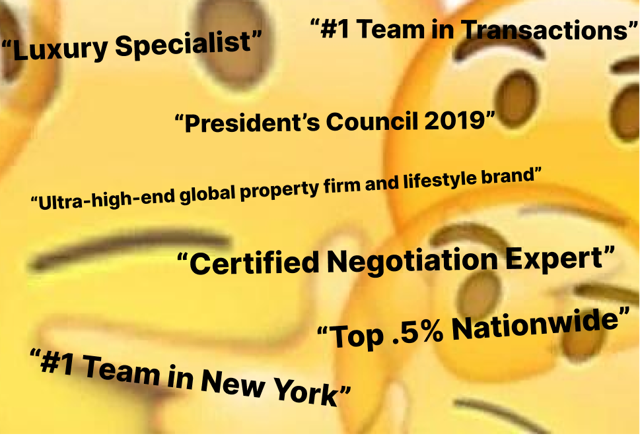
Debunking Vanity Metrics: Why Closing Rates and Specialization Matter Most When Choosing a Real Estate Agent
In today's competitive real estate market, it's crucial to choose the right agent to help you sell your property. But with many agents promoting themselves using vanity metrics like high deal counts, gross sales, social media followers, and "Top 1% Nationwide" awards, it can be difficult to determine who will truly deliver results.
2023-10-01 • Agent Index



Copyright © 2023 The Agent Index, Inc. All rights reserved. e: hey@theagentindex.com
Agent Index is provided exclusively for personal, non-commercial use, and may not be used for any purpose other than to identify prospective agents. Information is deemed reliable but not guaranteed.